Most people do not think about their drains until water stops moving. That moment, when the sink holds a grey puddle or the toilet bowl fills instead of emptying, is usually when panic sets in. Blockages are rarely convenient. They happen late at night, on a Sunday, or just before guests arrive. And the first instinct, understandably, is to reach for a bottle of chemical cleaner or a plunger. Those can buy time, but they do not fix the problem. The reality is that a proper blockage, especially one that has developed deep in the pipework, needs more than a home remedy. That is where experienced drain unblocking services come in. They do not just clear the pipe; they diagnose why it blocked in the first place and how to stop it happening again.
Why Drains Block in the First Place
Blockages are rarely random. They are the result of a slow build-up of material that should never have gone down the drain. In kitchens, it is cooking oil and fat that solidifies as it cools, trapping food scraps and forming a fatberg. In bathrooms, it is hair, soap scum, and the occasional stray cotton bud. Outside, the culprits are leaves, silt, and tree roots that find their way into pipe joints. A blocked toilet is often the result of too much paper or items that should never be flushed. A blocked sink might be grease or a lost bottle cap. Whatever the cause, the blockage usually starts small and grows over weeks or months. By the time water stops flowing, a lot of material has to be removed.
Knowing what you are dealing with makes a big difference. If you call a plumber for a simple sink blockage, they might clear it with a plunger or a basic snake. But if the problem is deeper, say in a shared sewer line or an external drain that runs under the garden, a plumber will likely recommend specialist drain unblocking services. That is not a sales pitch. It is a recognition that different blockages need different tools and different experience levels.
The Tools That Make the Difference
Professional drain cleaners carry equipment that most homeowners have never seen. Drain rods, for example, are long sections of flexible plastic that screw together. They are useful for pushing through a blockage that is relatively close to the access point, like a manhole or a gully. But rods have limits. They cannot go around sharp bends easily, and they can push a blockage further down the pipe rather than breaking it up. For tougher jobs, drain jetting is the standard approach. A high-pressure water hose is fed into the pipe, and the nozzle fires jets of water backwards, propelling the hose forward while blasting the pipe walls clean. This is effective against grease, silt, and even some root growth.
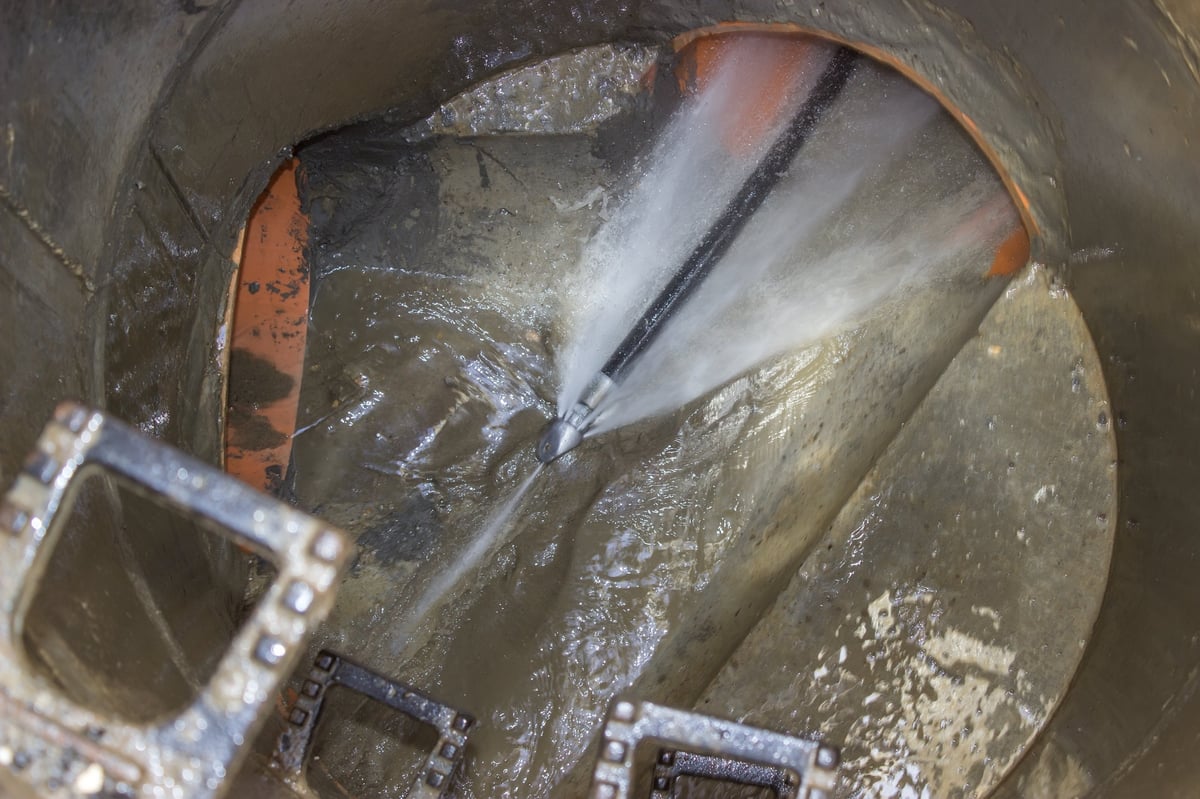
There is a trade-off here. Jetting uses a lot of water, and if the pipe is already damaged, the high pressure can make things worse. That is why experienced operators will often start with a CCTV drain survey before they do anything else. A small camera is pushed through the pipe, and the footage shows exactly what is happening: a crack, a collapsed section, a root mass, or just a fatberg. That survey costs a bit more upfront, but it prevents guesswork and avoids the risk of causing more damage. If you are dealing with a recurrent blockage in a commercial kitchen or a rental property, a CCTV survey is almost always worth the money.
Roots, Fatbergs, and Other Nightmares
Some blockages are harder to shift than others. Tree roots are a classic example. They find a tiny gap in a pipe joint and grow inside, eventually filling the pipe completely. Root removal usually requires a mechanical cutter, a rotating blade on the end of a cable that shreds the roots. But cutting the roots is only a temporary fix. If the pipe is still cracked, the roots will grow back. A permanent solution might involve relining or replacing that section of pipe. That is a bigger job, but it stops the problem from returning every six months.
Fatbergs are another beast. They can be metres long in a sewer and weigh as much as a car. In a domestic or small commercial setting, they are smaller but just as unpleasant. A fatberg is not just fat; it is a congealed mass of oil, food waste, wet wipes, and anything else that should not be there. Chemicals barely touch it. Jetting can break it up, but it takes time and a lot of water. The best approach is prevention: install a grease trap in the kitchen, scrape plates before washing, and never pour hot oil down the sink. But once a fatberg has formed, only professional drain cleaning equipment will shift it.
Knowing When to Call the Experts
There is a grey area between a minor blockage and a serious drainage failure. A slow-draining sink might just need the trap cleaning. But if you have multiple drains backing up, or water rising from a gully outside, or a manhole that is full to the brim, you are past the point of DIY. That is the moment to call a company that provides drain unblocking services across a wide area, including Essex, London, and the M25 corridor. They will have the van stocked with rods, jetting hoses, CCTV kit, and a drain unblocker that knows how to use them.
One of the most common mistakes is waiting. A partial blockage that is left alone will only get worse. The pipe will fill with more debris, the pressure will build, and eventually something will give. A flooded kitchen or a sewage backup in a bathroom is not just unpleasant; it is a health hazard and a costly mess to clean up. Emergency drainage services exist for exactly that reason. They are not cheap, but they are cheaper than a full-scale flood restoration.

What to Expect from a Professional Visit
When a technician arrives, the first thing they will do is assess the situation. They will ask where the blockage is, what has been tried, and whether there have been previous problems. They will look at the access points: sink traps, toilet bases, external gullies, and manholes. If the blockage is in a rainwater drain, they may check the gutters and downpipes. If it is in a soakaway, they will check for signs of ground saturation. Then they will choose the first tool. Often that is a set of drain rods to feel the blockage and gauge its distance. If the rods go in easily but do not clear it, they will switch to jetting. If the blockage is stubborn, they might use a combination: jetting to loosen it, then a vacuum or manual removal to pull the debris out.
After the drain is running freely, a good technician will not just pack up and leave. They will flush the system with clean water, check for leaks, and if the property has a soakaway, they will test whether it is draining properly again. They might also recommend a CCTV drain survey if the pipe is old or if the blockage was particularly hard to clear. That survey gives you a record of the pipe condition and helps plan any future maintenance.
Prevention Is Simpler Than Cure
The best way to avoid a blocked drain is to think about what goes into it. That sounds obvious, but most blockages are caused by everyday habits. Cooking oil should go into a container, not down the sink. Wet wipes, even the ones labelled flushable, should go in the bin. Hair should be caught in a strainer. Outside, keep gullies clear of leaves and debris, and make sure that the manhole covers are not buried under soil or paving. If you have a lot of trees near your drainage pipes, consider having a CCTV survey every couple of years to catch root ingress early.
For landlords and property managers, routine drain cleaning is a sensible investment. A small annual cost to jet the main drains and inspect the gullies can prevent a much larger emergency call-out later. In commercial kitchens, monthly grease trap maintenance is non-negotiable. The same goes for blocks of flats where the sewer line is shared. One tenant's fatberg can block the whole building.
When DIY Makes Sense and When It Does Not
I am not here to tell you never to try a plunger or a hand snake. For a blocked toilet that is clearly just a lump of paper, a good plunger often works. For a blocked sink, removing the trap and clearing it by hand is straightforward. But if those steps do not work, do not escalate to caustic chemicals. They are bad for the pipes, bad for the environment, and they rarely fix the problem. At that point, you need the real tools and the real experience that come with professional drain unblocking services. There is no shame in admitting that a blockage is too deep or too tough for a home toolkit. The smart move is to call someone who has already seen every kind of blockage and knows which tool to reach for first.
Living in Essex, London, or anywhere inside the M25 means dealing with a range of property ages and pipe materials. Victorian houses have cast iron drains that are prone to rust and scale. Modern estates often have narrow plastic pipes that can be easily crushed by ground movement. A good local drainage company understands these differences. They will not treat every blockage the same way. They will adapt their approach based on the pipe type, the nature of the blockage, and the access available. That is the difference between a quick fix and a lasting solution.